
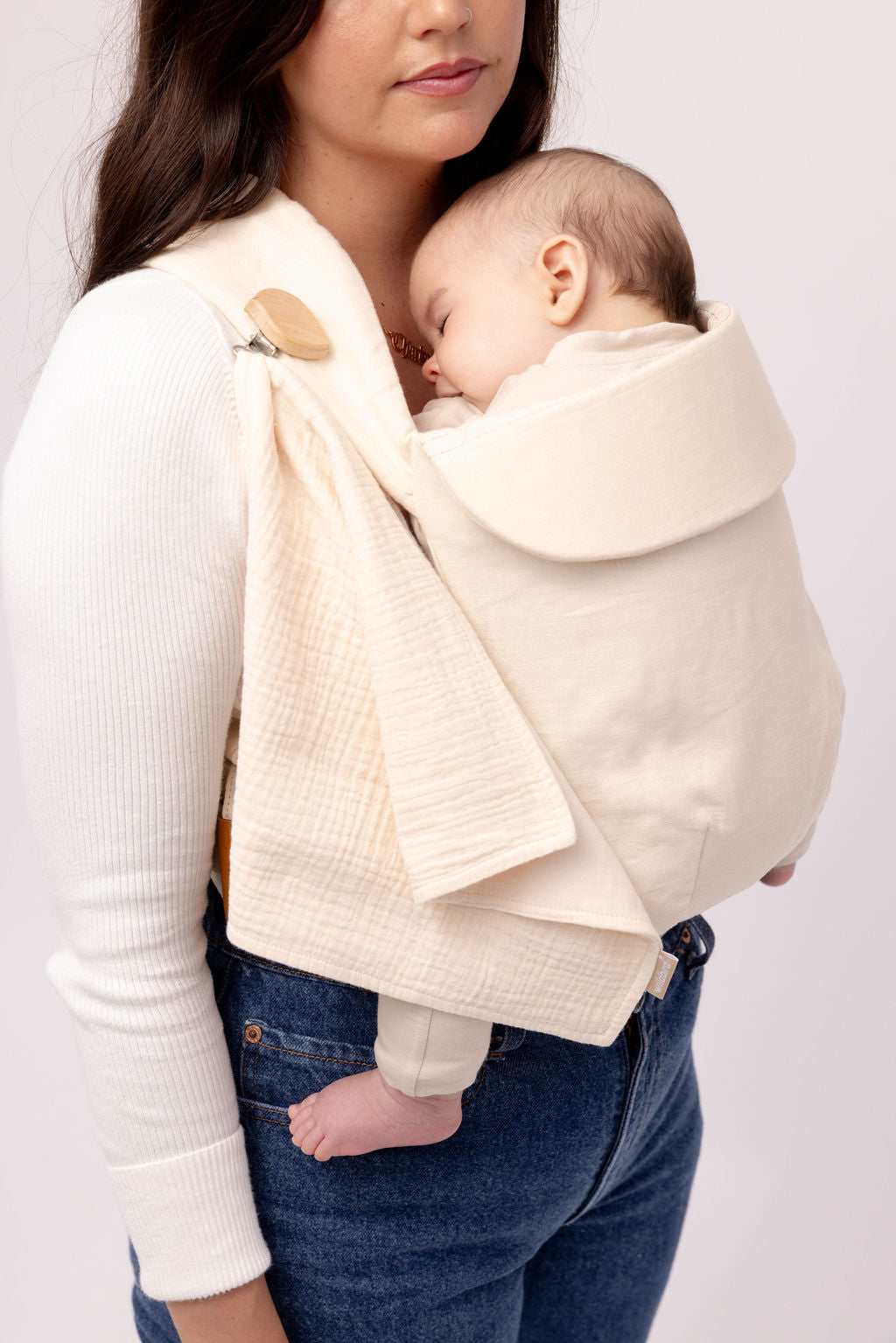
The Ultimate Guide to Baby Carriers: Choosing, Using, and Thriving with Your Little One Close to Heart
For millennia, across every culture and continent, parents have carried their babies close. From simple wraps of animal skin and cloth to the sophisticated ergonomic carriers of today, the practice of babywearing is a timeless testament to a fundamental human need: connection. In our modern, fast-paced world, the baby carrier has emerged not merely as a parenting accessory, but as an indispensable tool that fosters bonding, supports development, and grants a precious sense of freedom to caregivers. This comprehensive guide delves into the profound benefits, the essential considerations for selection, the nuances of safe and comfortable use, and the beautiful journey of carrying your child from newborn infancy through toddlerhood.
The advantages of babywearing extend far beyond simple convenience, weaving threads of benefit through the physical, emotional, and developmental tapestry of both child and caregiver. For the baby, the constant, rhythmic closeness is a replication of the womb’s secure environment. This proximity is a powerful regulator of the infant’s immature systems. Studies and countless parental anecdotes show that carried babies often cry and fuss less. The reason is multifaceted: they feel the reassuring beat of your heart, the warmth of your body, and the gentle motion of your movements, which soothes them and reduces stress hormones. This state of calm alertness is prime time for learning and development. From this secure vantage point, babies observe the world, absorbing language from conversations they hear, learning social cues by watching interactions, and developing vestibular and proprioceptive senses through subtle shifts in balance and position. Furthermore, being upright aids in digestion and can alleviate symptoms of reflux, while the gentle pressure on the abdomen may provide comfort from gas and colic.
For the parent or caregiver, the rewards are equally significant. Babywearing promotes hands-free parenting in the truest sense. It allows you to navigate daily life—preparing a meal, taking a walk, enjoying a cup of coffee, tending to older siblings, or even working at a desk—while keeping your baby content and secure. This can be a tremendous boon for mental health, combating feelings of isolation or being “tied down” that some new parents experience. Crucially, it facilitates bonding, especially for partners or caregivers who may not have the same biological breastfeeding connection. The skin-to-skin contact encouraged by many carriers releases oxytocin, the “love hormone,” in both of you, deepening attachment. For breastfeeding mothers, having baby close makes feeding on demand easier and more discreet. Physically, when used correctly, a well-designed carrier provides ergonomic support that distributes your child’s weight evenly across your hips, back, and shoulders, making the load manageable and reducing the strain of carrying in your arms.
Navigating the vast landscape of baby carriers can feel overwhelming, but understanding the core types and their ideal use cases brings clarity. The choices generally fall into a few main categories, each with its own character.
Wrap Carriers: These are long, sturdy pieces of woven or stretchy fabric that you tie around your body to create a custom fit. Stretchy Wraps, typically made of soft, flexible material like cotton jersey, are renowned for their simplicity and cozy, womb-like feel for newborns. They excel in the “fourth trimester,” offering unparalleled snugness and are relatively easy to master for front carries. Woven Wraps, made from stronger, non-stretch fabrics like linen, cotton, or blends, are the versatile powerhouses of the babywearing world. They offer superior support for heavier infants and toddlers and allow for a multitude of carries—front, hip, and back—limited only by the wearer’s learning curve. Their durability and adaptability make them a one-carrier solution for many families from birth to preschool.
Soft-Structured Carriers (SSCs): Often what people first picture as a “baby carrier,” these feature structured waistbands and shoulder straps with buckles or clips for adjustment. They are designed for ergonomic positioning, with a wide, supportive seat that allows the baby to sit in a deep “M” shape, knees above hips, and a panel that supports the back. Modern ergonomic SSCs often include adjustable seat widths, allowing them to grow with your child from infancy (sometimes with an insert) through toddlerhood. They are generally quicker to put on than wraps and offer excellent support for longer wears and heavier children, making them a popular, user-friendly choice for everyday adventures.
Mei Tai Carriers: A beautiful hybrid, the Mei Tai (an Americanized term from the Chinese mei dai) combines the fabric body of a wrap with the structured convenience of straps. It has a rectangular body panel and four straps: two for tying around your waist and two for your shoulders, which you then tie and knot. This design offers much of the customizability and comfort of a woven wrap but with a significantly shorter learning curve. It is highly adaptable to different body types and provides excellent support for back carries as your baby grows.
Ring Slings: Elegant in their simplicity, ring slings are long pieces of fabric threaded through two sturdy, non-detachable rings. They create a pouch for the baby and are adjusted by threading the tail through the rings. Perfect for quick ups and downs, ring slings are champions of hip carrying and are incredibly compact, easily folding into a diaper bag. They are fantastic for breastfeeding discreetly and are a favorite for the newborn stage and toddlers who want to be up and down frequently. Mastering the even tightening of the fabric across the shoulder is the key to comfort.
Selecting Your Carrier: The “best” carrier is profoundly personal. Consider your lifestyle: Are you seeking speed for errands, comfort for long nature hikes, or versatility from birth to toddlerhood? Reflect on your climate; a breathable linen wrap or mesh-paneled SSC might be essential in heat. Most importantly, prioritize ergonomics for both of you. A good carrier should support the baby in a healthy, physiologically sound position and feel comfortable on your body, with weight distributed to your core, not pulling on your shoulders alone.
The paramount principle of babywearing is T.I.C.K.S. – a simple, vital acronym for safety:
-
Tight: The carrier should be snug enough to hug your baby close to you. Any loose fabric can allow your baby to slump down, which can hinder breathing.
-
In view at all times: You should always be able to see your baby’s face by simply glancing down. Their face should not be covered by fabric.
-
Close enough to kiss: Your baby’s head should be as close to your chin as is comfortable. By tipping your head forward, you should be able to kiss their forehead.
-
Keep chin off the chest: Ensure your baby’s chin is up and away from their chest to maintain an open airway. Their neck should be in a neutral position, not curled forward.
-
Supported back: Your baby’s back should be supported in its natural curve, with their tummy and chest against you. In an ergonomic carrier, the panel should support from knee to knee.
Always ensure your baby is positioned with their legs in a deep, spread squat—the “M” or “frog leg” position—with knees higher than their bottom. This pelvic tuck promotes healthy hip development by keeping the femoral head securely in the hip socket. The International Hip Dysplasia Institute recognizes this as a healthy carrying position. Avoid carriers that let the baby’s legs dangle straight down or that have narrow seat bases, as these can place undue stress on developing joints.
Mastering the art of wearing begins with practice. Start in a calm moment, perhaps with a helpful partner, and use a mirror. Put on the carrier over a light layer to get the fit right before adding bulky coats. For outerwear in cold weather, consider a carrier cover, a specially designed coat extender, or wearing your own coat over the carrier (ensuring baby’s face remains uncovered and air can circulate). Listen to your body; if you experience back or shoulder pain, reassess the fit. Often, the waistband should be worn higher and tighter than you might think, like a cummerbund, to transfer weight to your hips. Shoulder straps should be spread across your back for even distribution.
The journey evolves beautifully as your child grows. Newborns crave the inward-facing, chest-to-chest carry for security and sleep. As they gain head and neck control (around 4-6 months), a world opens up. They may begin to enjoy facing outward in carriers specifically designed for this purpose, though limit these sessions as it can be overstimulating. The hip carry in a ring sling or wrap offers a wonderful compromise—baby can see the world but can also snuggle in when tired. The back carry, achievable with woven wraps, Mei Tais, and most SSCs once your baby has good torso control, is a game-changer. It frees your entire front, distributes weight even better, and gives your curious toddler a commanding view from the safety of your back.
Beyond the mechanics, babywearing nurtures an intimate dialogue without words. It is in the gentle sway that calms a fretful cry, in the whispered stories heard from the safest place in the world, in the silent sharing of a sunrise during a morning walk. It is a tool that empowers you to meet your child’s needs for closeness while meeting your own needs for mobility and connection to the wider world. It is a practice that honors an ancient rhythm in a modern context, building a foundation of security, love, and shared experience that will resonate long after the carrier has been packed away. In the end, the perfect carrier is the one that feels right for you and your baby, the one that facilitates those countless moments of quiet connection, and the one that supports you both as you navigate the extraordinary adventure of growing together.